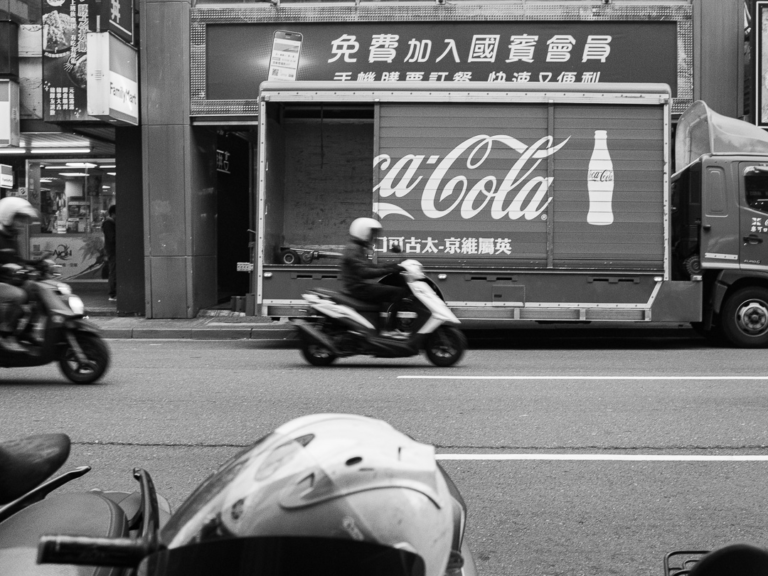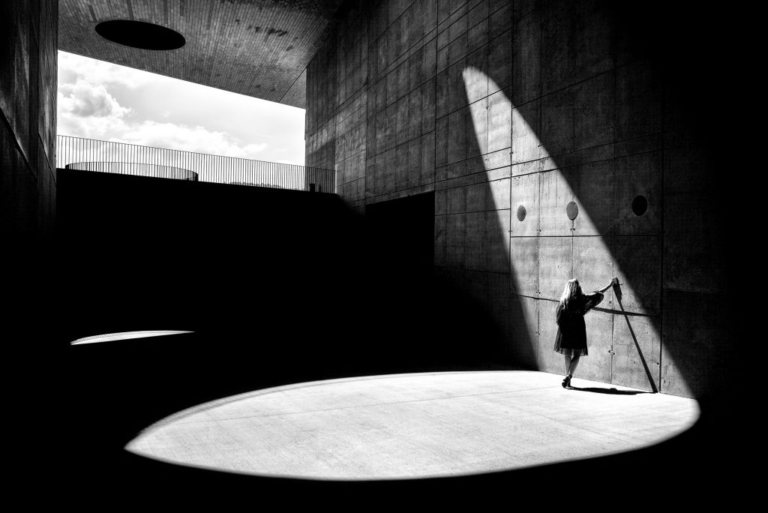
Street photography is about capturing real life as it unfolds—authentic moments, compelling light, and human stories found in everyday spaces. Whether you’re shooting in a busy city or a quiet town, having clear creative ideas can help you stay inspired and intentional. This guide shares street photography ideas across different styles and lighting conditions to help you improve your compositions and grow your portfolio.
Portrait Ideas
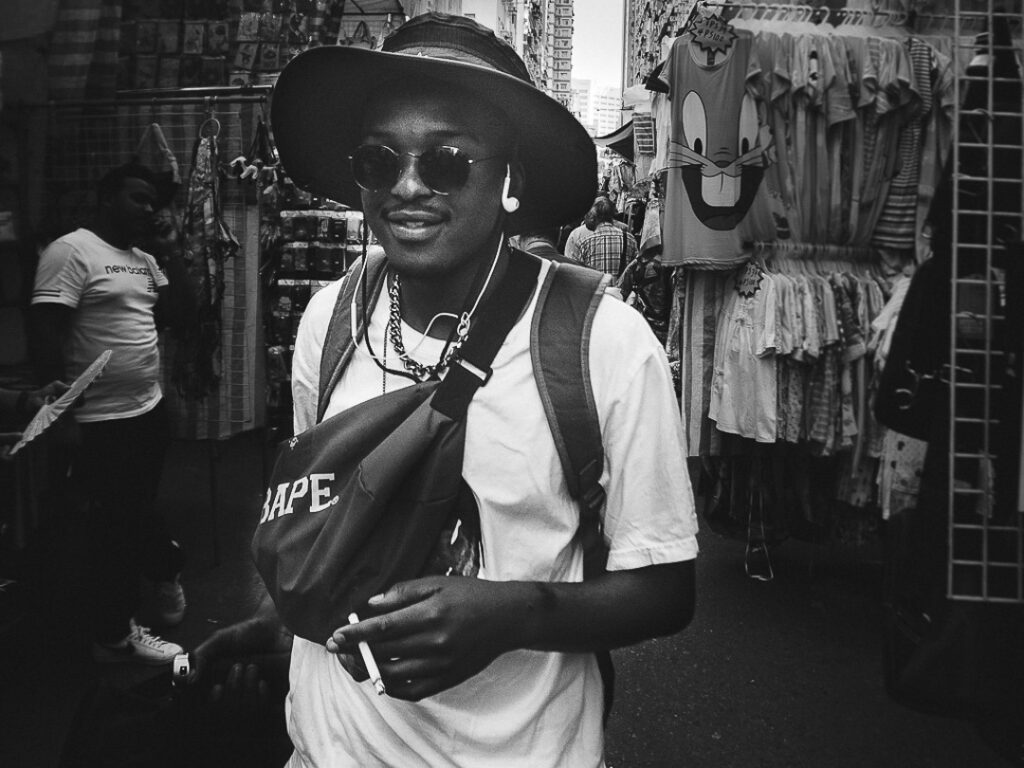
I love portraits on the street because the “model” is really the moment—awkward smiles, quick glances, hands doing something. I just start by watching for eyes and body language, then I move in with my camera at my chest like I’m part of the scene. If the background’s messy, I’ll angle my shot so the person pops without me wrestling the whole world out of frame.
Street portraits focus on people and their presence within the urban environment. Unlike studio portraits, these images rely on spontaneity and context.
Ideas to try:
- Talk to your subject and get to know them better in order to help them relax
- Look for interesting characters with props
- Capture subjects framed by doorways, windows, or alleyways
- Photograph vendors, performers, or workers immersed in their craft
- Use a shallow depth of field to isolate faces from busy backgrounds
- Look for expressive gestures, eye contact, or strong body language
Night Time Ideas
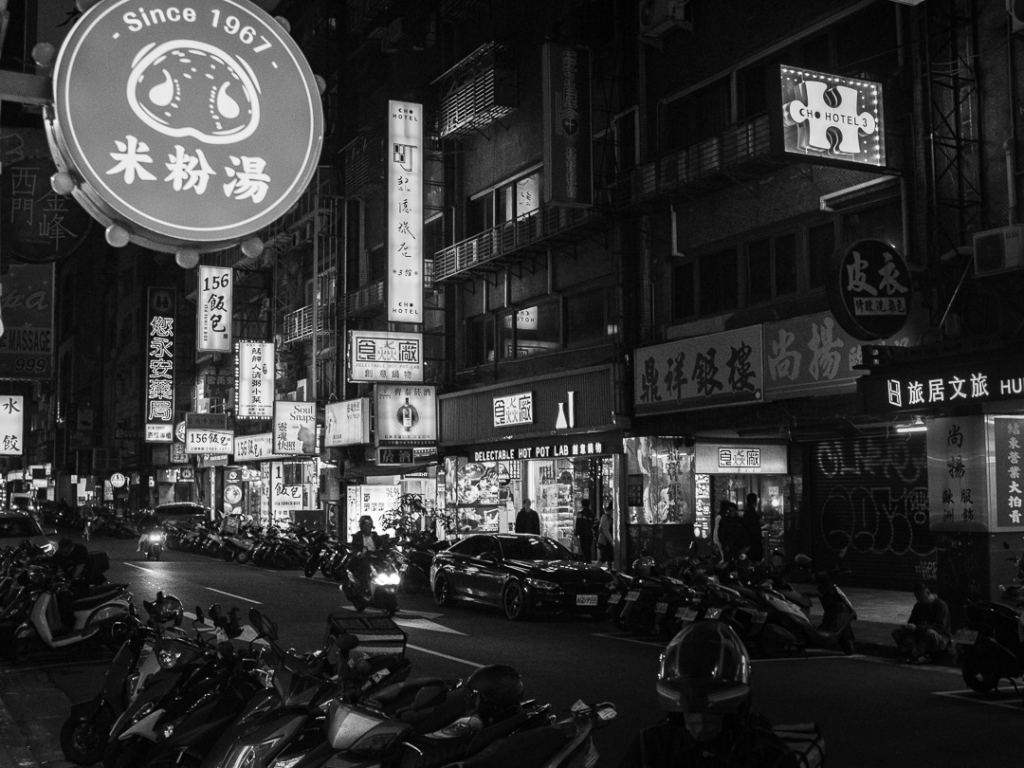
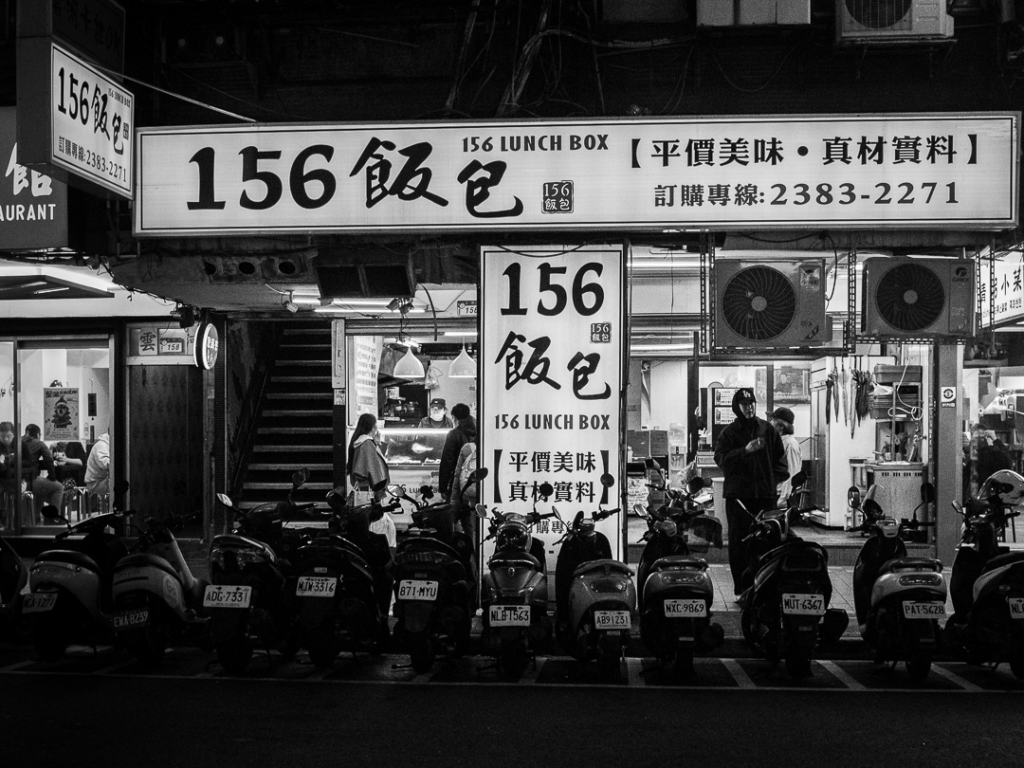
Night street photography is where I feel most alive. I look for light sources first—signs, street lamps, storefront glow—and then I build the frame around them. I’ll shoot a little slower to catch that atmosphere, but I still try to keep faces sharp by pacing my steps like I’m stalking the best timing.
Night street photography brings atmosphere, contrast, and mood that’s impossible to replicate during the day. Artificial light becomes your main storytelling tool.
Ideas to try:
- Photograph people under neon signs or storefront lighting
- Use reflections in wet streets, windows, or puddles
- Capture silhouettes created by headlights or street lamps
- Experiment with motion blur from passing cars or pedestrians
- Capture the whole street or scene with lights to tell the story of the setitng.
Night photography is ideal for exploring cinematic storytelling and dramatic compositions.
Black and White
When I shoot black and white, I’m basically editing with my feet. I chase strong shapes, contrasty shadows, and those “graphic” moments where everything feels simpler in grayscale. If the colors are distracting, I don’t fight them—I just wait for the scene to turn into lines, textures, and expressions that hit harder without color.

Black and white street photography emphasizes emotion, contrast, and form by removing the distraction of color.
Ideas to try:
- Focus on strong light and shadow interactions
- Capture expressive faces and raw human emotion
- Use leading lines and geometry for powerful compositions
- Look at popular street photographers who shoot in black and white. This doesn’t mean copying them, but rather taking note of their composition technique and using their images as inspiration in your own work. There are many masters out there; I particularly like Nicolas Goodden.
- Highlight textures like wrinkles, pavement, or brick walls
Black and white works especially well for timeless, documentary-style street images.
Working with Color
Color is fun, but I don’t treat it like a filter—I treat it like a story. I’m always thinking about what pops against what: a red jacket in front of dull walls, or a cool shadow next to warm light. I’ll also watch how colors play together in the background so I’m not accidentally turning my photo into a chaotic mess. When it works, the whole scene feels like it’s humming.
Color adds energy and visual impact to street photography when used with intention.

Ideas to try:
- Build images around a single dominant color
- Look for color contrast between subjects and backgrounds
- Use colorful clothing against neutral urban scenes
- Capture repeating color patterns across multiple frames
- Look for strong colors that can form a background
Color-based street photography often performs well on social platforms and portfolios due to its visual punch.
Light and Shadows
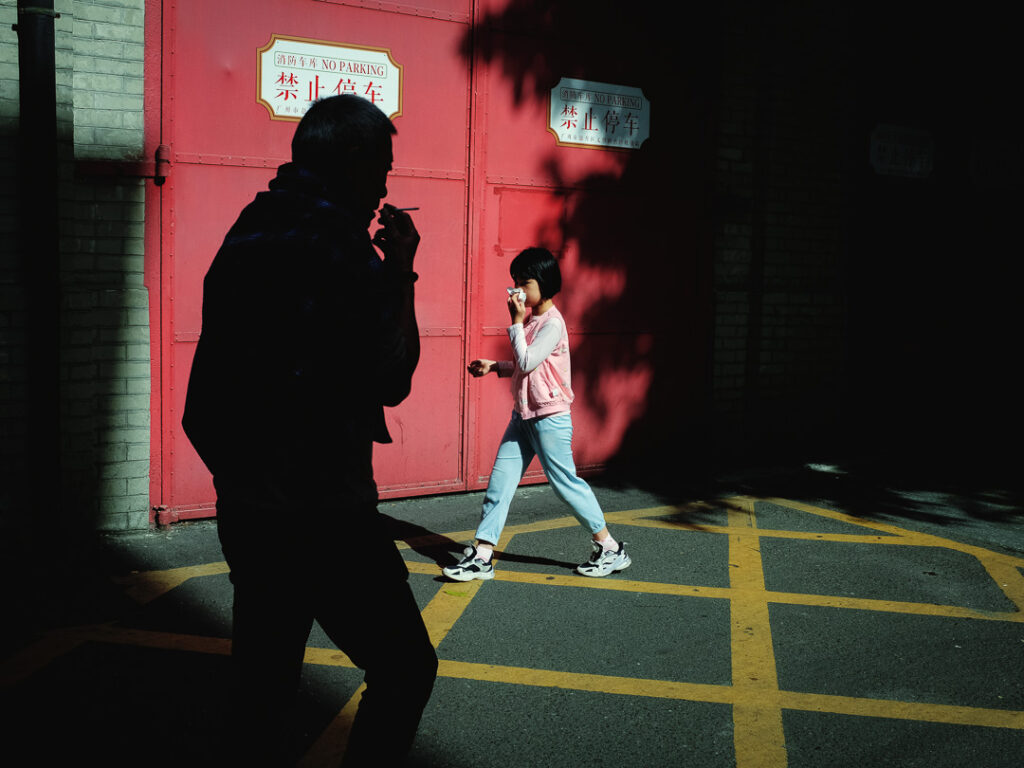
I’m always looking for light that actually does something—like strong side light that carves out cheekbones, window light that throws a clean edge, or overhead sun that turns everyday streets into a whole geometry lesson. I’ll shoot a scene, then move a step left or right and let the shadows change the story until it feels like the contrast is leading my eye. If the lighting isn’t interesting yet, I wait—because the right shadow at the right moment is usually where the photo clicks.
Light is one of the most important elements in street photography, especially when it creates strong shadows.
Ideas to try:
- Photograph subjects walking through patches of sunlight
- Use shadows as leading lines or graphic shapes
- Capture silhouettes during early morning or late afternoon
- Look for dramatic contrast created by buildings and narrow streets
Hard light can transform ordinary scenes into striking visual stories.
Flat Light

Flat light is tricky, but I actually like it because it forces me to be more creative. Instead of waiting for the “right” sky, I change my position until I find texture—brick, fabric, hair, anything with detail. I’ll also use angles to create shape and edge contrast, and I’ll frame so shadows still show up, even if they’re subtle. In flat light, the photo becomes about geometry and surfaces, not drama.
Flat light—such as overcast conditions or shaded streets—is often overlooked, but it offers unique creative opportunities.
Ideas to try:
- Focus on storytelling and human interaction
- Look for reflections in shop and car windows
- Use minimalistic compositions with clean backgrounds
- Capture subtle expressions and quiet moments
- Emphasize colors and textures without harsh contrast
Flat light is perfect for candid photography and documentary-style street work.
Final Thoughts
Street photography is less about perfect conditions and more about observation, patience, and creativity. By exploring different approaches—portraits, night scenes, black and white, color, and varied lighting—you’ll develop a versatile style and a stronger visual voice.
Keep your camera ready, stay curious, and let the streets tell their stories.