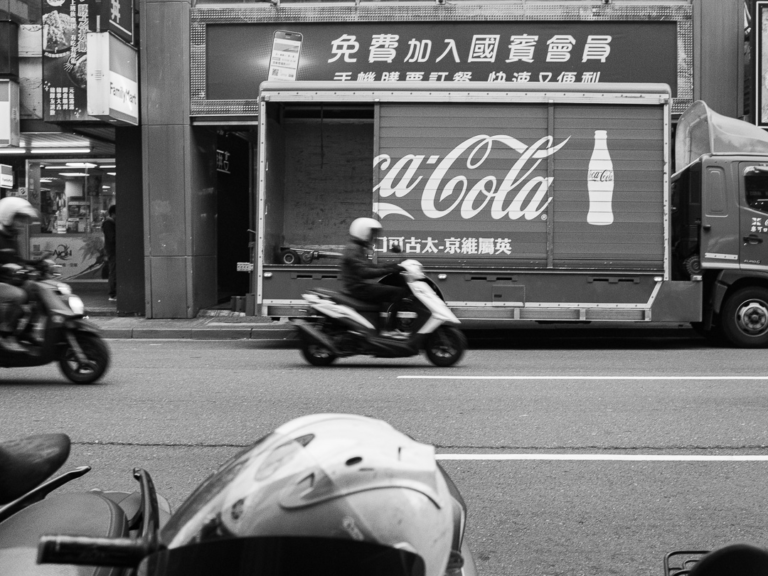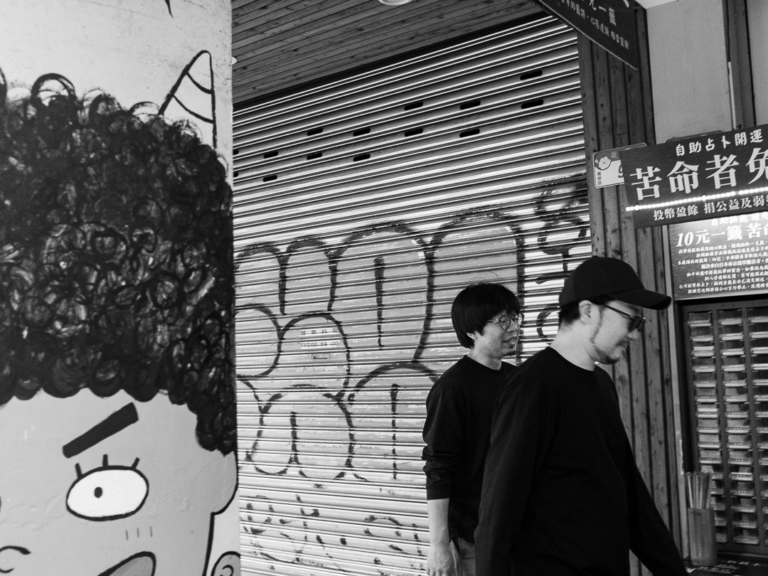
Street photography is the art of capturing ordinary life in public spaces. It focuses on candid moments, real people, and unscripted interactions that tell a story about a place and its culture. Unlike staged photography or studio work, street photography thrives on spontaneity, intuition, and the photographer’s ability to observe and anticipate fleeting moments. The best street photographs feel intimate, honest, and visually compelling, often highlighting patterns, lighting, contrasts, and the pulse of urban life.
Storytelling
Street photography is a documentary-style approach to capturing everyday life in public spaces. It emphasizes spontaneity, human presence, and the serendipitous moments that unfold on sidewalks, markets, transit hubs, and alleyways. The photographer often blends into the environment, waiting for compelling scenes to emerge—whether it’s a decisive gesture, a fleeting expression, or an interaction between strangers. The strength of street photography lies in storytelling: a single frame can reveal mood, culture, humor, tension, or social commentary.
Composition Rules
Core composition guidelines help you recognize and exploit powerful moments in real time. Many street photographers bend or break these rules for impact; use them as flexible tools.
- Rule of Thirds
- Place your subject along the left or right vertical third while keeping eye lines and important details near those guides.
- Leading Lines
- Use stairs, rails, roads, storefronts, or windows to guide the viewer’s gaze toward the subject or a focal point.
- Framing
- Look for natural frames (doorways, arches, windows) to isolate your subject and add depth.
- Layering and Depth
- Include foreground, middle ground, and background elements to convey context and scale.
- Negative Space
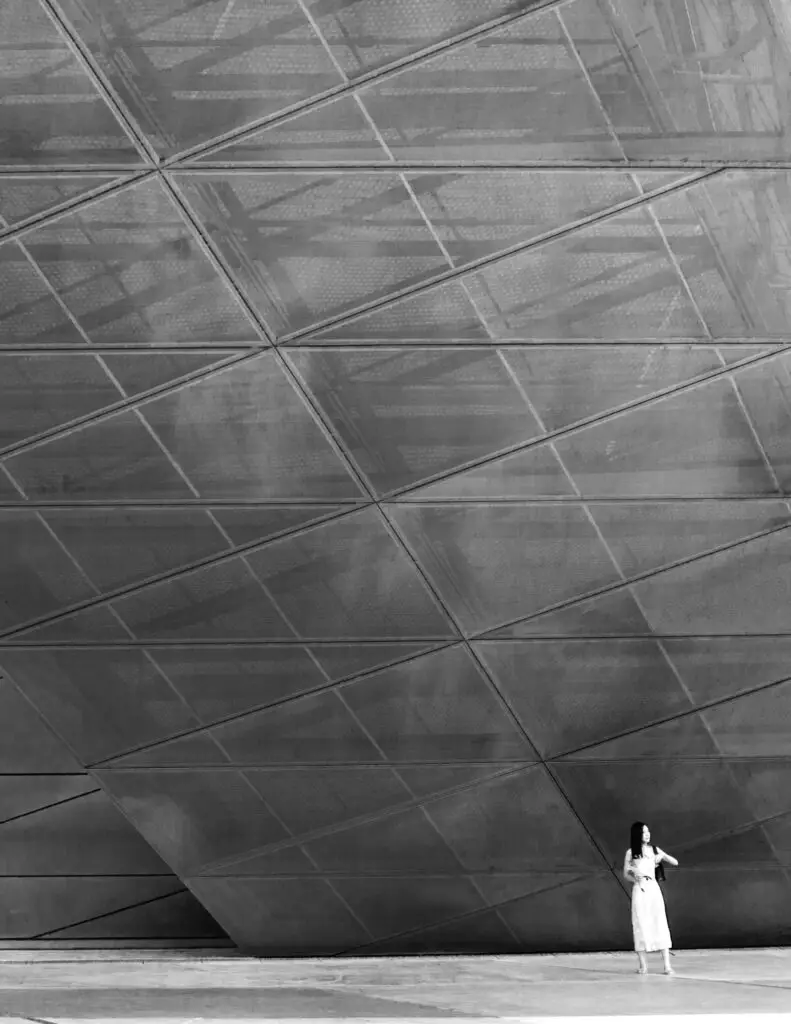
- Empty or open space around a subject can emphasize emotion, isolation, or motion.
- Color and Contrast
- Use color accents or high-contrast scenes to make subjects pop; monochrome can emphasize texture and mood.
- Timing and Moment
- Street photography thrives on decisive moments. Watch for gestures, expressions, and interactions that tell a story.
- Perspective and Angle
- Experiment with low or high angles, reflections, and unusual viewpoints to transform a scene.
- Candidness, Not Intrusion
- Respect personal space; subtle positioning and anticipation often yield the best results.
- Ethical Composition
- Don’t manipulate scenes to misrepresent reality; aim for honesty and clarity.
Street Photography Tips
- Observe Before You Shoot
- Spend time scanning a location to understand traffic patterns, light, and potential scenes.
- Be Patient
- Great moments often require waiting for the right gesture or interaction.
- Use Urban Rhythms
- Look for repeated patterns, shadows, and textures that add rhythm to your frame.
- Master the Light
- Early mornings and late afternoons (golden hour) offer warm, directional light. Street lights can add drama at night.
- Shoot Lean and Fast
- A compact camera or lightweight mirrorless setup helps you stay agile and discreet.
- Shoot from the Hip or Chest Level
- Different angles yield candid expressions; practice both approaches.
- Focus and Exposure
- In busy scenes, use a small aperture for depth of field or a higher shutter speed to freeze motion.
- Black and White vs. Color
- Color highlights mood; black and white emphasizes contrast, texture, and form.
- Engage Non-Intrusively
- A friendly nod or brief eye contact can ease subjects without disturbing the moment.
- Review and Learn
- Regularly review shots to identify what works and what doesn’t.
City Street Photography
Cities are dynamic stages where street photography comes alive. Consider the unique rhythms of urban life and how architecture, transport, signage, and crowds shape narratives.
- Street Scenes
- Capture commuters, street performers, vendors, and everyday interactions that reveal city life.
- Transit Moments
- Subways, bus stops, and street corners offer opportunities for kinetic scenes and partial glimpses of people in motion.
- Urban Architecture
- Reflections in glass, angular lines, and murals can complement human subjects and add context.
- Cultural Indicators
- Clothing, signage in local languages, and public rituals provide cultural storytelling cues.
- Timing with Crowds
- Fill frames with a crowd to convey energy, or isolate a single character to focus on a story.
- Weather and Mood
- Rain, fog, or bright sun can dramatically alter textures, shadows, and color palettes.
- Permits and Restrictions
- Research local regulations to avoid issues with photography in certain spaces.
Street Portraiture
Street portraiture blends candid street photography with intentional portrait work. It captures the essence of a person in their environment, often emphasizing personality, mood, and story within a public setting.

- Approach with Respect
- If you want a posed portrait in a street context, ask for consent before shooting and clarify how the image will be used.
- Candid Portraits
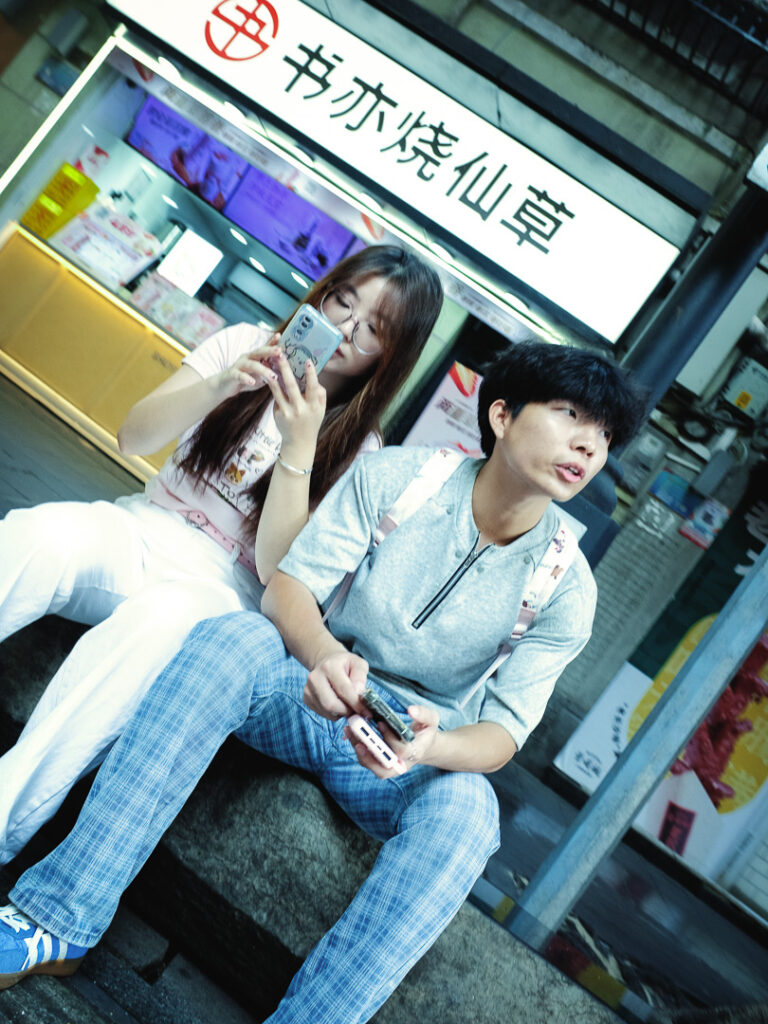
- Look for natural expressions and the way a person carries themselves in daily life.
- Environment as Character
- Include elements from the subject’s surroundings to add depth and tell more about who they are.
- Framing and Distance
- Decide whether a tight head-and-shoulders portrait or a full-body environmental portrait best serves the story.
- Lighting Preferences
- Use natural light when possible; diffuse light under shade or the soft light of dawn/dusk minimizes harsh shadows.
- Interaction Cues
- A smile, a glance, or a gesture can reveal personality and emotion without words.
- Respect in Post-Processing
- Consider the subject’s dignity and privacy; avoid sensational edits.
Gear and Settings
- Gear
- Small, powerful cameras that produce images with a distinct feel and look are the preferred choice for street photography. My focus is candid street photography, where discretion and blending into the background are essential. For this style, I use a Fujifilm X100V, which is affordable and enjoyable to shoot with. This camera is a great entry-level option to start with and will help you develop your own style. That said, it can hold its own in terms of image quality against any other camera and is used by some of the most recognised street photographers and photojournalists in the world.
-
- A compact mirrorless camera or a DSLR with a versatile zoom lens (24-70mm) or a fast prime lens (35mm or 50mm). Lightweight tripod or monopod can help in low light, but many street shooters prefer handheld setups.
- Settings
- Daylight: ISO 400–800, f/5.6–8, shutter 1/125s or faster.
- Low Light: ISO 1600–3200, open to f/2.8–f/4 as needed.
- Autofocus
- Single-point or zone AF; prioritize face or subject detection when available.
- Focus Technique
- I prefer zone focusing with the camera set to continuous focus, as I mainly shoot moving people.
- Single point focus for setting and recomposing is effective for still subjects.
- Manual focus can help in crowded scenes; pre-focus at a distance to anticipate moments.
Ethical and Legal Considerations
- Obtain Consent
- When possible, especially for intimate or sensitive portraits.
- Know Local Laws
- Be aware of privacy rights and commercial use rules in your city.
- Respect Signs and Private Property
- Some spaces restrict photography.
- Credit and Permissions
- Give credit and obtain permission when requested by subjects.
- Cultural Sensitivity
- Be mindful of norms and sensitivities across communities and cities.
Final Thoughts
Street photography is about seeing the world differently—finding poetry in the everyday and telling honest stories through candid images. Practice rapid observation, anticipate moments, and refine your composition over time. With consistent practice, your ability to capture compelling urban narratives will grow, along with your confidence behind the lens.
If you’d like, I can tailor this post for a specific city, audience (beginners vs. advanced photographers), or publication format (long-form article, listicle, or did-you-know style). I can also provide an SEO checklist tailored to your blog’s platform (WordPress, Ghost, Medium) and suggest meta descriptions, image alt texts, and internal/external linking strategies.